
“Build" Skills Outside The Classroom
Share
A crucial aspect of learning for your child comes from hands-on activity and social interaction. That’s why it’s so important for parents of homeschooled children to make sure their child devotes time to their hobbies, interests in sports, or other extracurriculars.
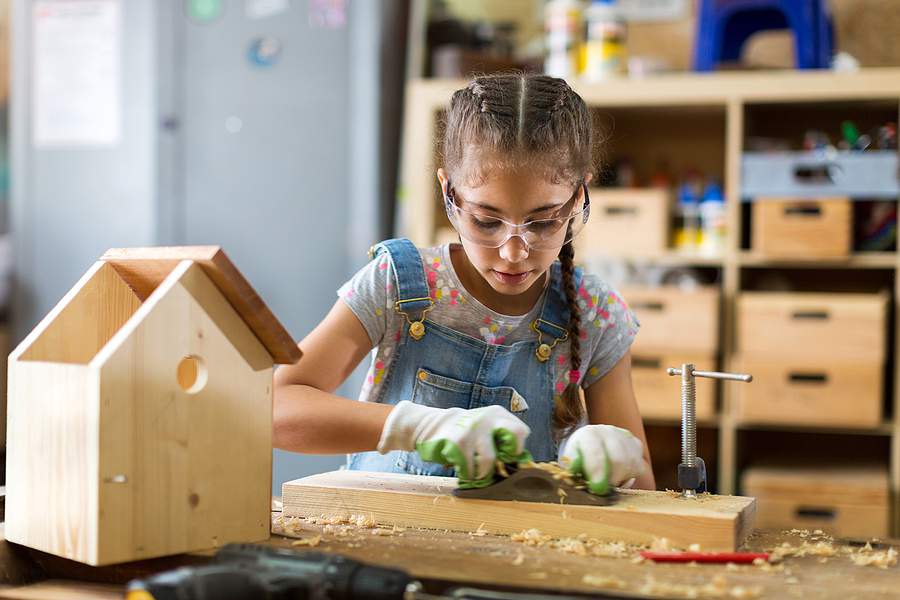
A great hands-on activity for your middle and high school children is handiwork: building, painting, and construction. With the proper tool safety, there are lifelong benefits to performing handiwork. Not only are they learning a skill, but they’re learning the patience and commitment it takes to perform well and hone a craft.
Here are just a few of the skills handiwork teaches us that can benefit your homeschool student in and out of the classroom:
Creativity
Choose a project and tools appropriate to your child's readiness, provide instruction and follow the tool manufacturer's safety requirements. A child knowing a safety rule does not remove the need for adult supervision. Within those limits, invite choices about design, materials and decoration. Choosing what to build, which materials to use, picking colors and paints, and adding little details to make it special will spark your child’s creativity and get them excited about their new hobby.
Leadership
Your child is taking the lead on their new project, making so many decisions throughout every step of the process. Handiwork can require a great deal of leadership to get a project completed, even if your child is working on the craft alone. If your child attends a handiwork class and works with other students, being able to share their ideas with their peers to bring their project to life will give them leadership skills that can benefit them for the rest of their lives.
Attention to Detail
Planning a handiwork project requires meticulous planning and detail, relying on exact measurements to ensure the product is finished correctly. Attention to detail is crucial not only to the outcome of the project but to the safety of your child. Make sure your child knows exactly how to use each tool they have, and make sure they don’t have access to dangerous tools when they’re younger or haven’t used them before.
Teamwork
Plan adult supervision around the tools and task, rather than treating help as optional. A shared project can also provide practice asking questions, dividing suitable tasks and checking work together.
Accountability
A great skill any hobby can teach your homeschool child is accountability. It’s up to them to have the motivation to work on their craft and to complete a project. If they want to learn the skill and master their craft, they’ll learn that they have to consistently work at it. The same skills can be applied to their studies and throughout their lives.
For the broader place of practical projects in your homeschool, read our guide to learning beyond the curriculum.
SCAIHS provides educational counseling and encouragement to South Carolina homeschool families. Contact SCAIHS to arrange a conversation, or explore SCAIHS membership to learn more about the support available.


